Devices Archive
Remember the devices that shaped our digital lives. Explore their histories, discover why they disappeared, and share what you remember.
25 memorials

Apple Newton
Newton pursued handheld personal organization with pen input and handwriting recognition.


Chromecast
Chromecast made the television a destination for media selected on another device.

Flip Video
Press the red button.

Game Boy
Low battery. Just one more level.
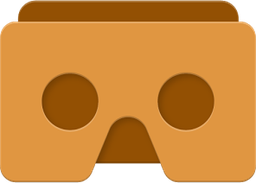
Google Cardboard (original viewer)
Cardboard used a folded viewer and a smartphone to offer an inexpensive introduction to VR.

Google Glass Explorer Edition
Glass Explorer Edition placed a small display and camera near the wearer's eye.

Google Nexus
Nexus put Google's preferred Android experience into a series of phones and tablets made with hardware partners.

iPod Classic
The full-size iPod line made carrying a large personal music library a defining portable experience.

iPod Nano
The iPod nano compressed a dedicated music-player experience into a smaller device through several changing designs.

iPod Shuffle
The shuffle stripped a music player down to a very small, screenless experience.

iPod Touch
The iPod touch brought a touchscreen app experience to a device without the normal cellular-phone role.

Lumia
Lumia connected distinctive Nokia hardware with the Windows Phone experience, later under Microsoft's ownership.

Microsoft Kinect
Kinect sensed movement so a player's body could become an input device.

Microsoft SideWinder
SideWinder covered a family of Microsoft gaming peripherals, including joysticks, controllers, and steering wheels.

Nintendo 3DS
The 3DS family developed Nintendo's dual-screen handheld idea around portable games and, on supported models, glasses-free stereoscopic viewing.

Nintendo GameCube
Hold Z for the other startup sound.

Nintendo Virtual Boy
Virtual Boy offered stereoscopic game imagery through a tabletop viewer with a striking red-and-black display.

Nintendo Wii
Please use the wrist strap.

Nintendo Wii U
Wii U paired a television console with a controller containing its own screen.

Pebble
One more watchface before bed.

PlayStation Vita
Vita brought a high-capability handheld PlayStation experience into a market increasingly shaped by phone gaming.

Sega Dreamcast
Dreamcast combined Sega's arcade heritage with a home console that made online features part of its identity.

Sega Saturn
Saturn carried Sega into the CD-based console generation with a library that mixed arcade-style play and more expansive home experiences.

WebTV / MSN TV
WebTV, later MSN TV, used a television and dedicated equipment to provide web access without a conventional desktop PC.

Zune Music Players
A pocket full of music with a different point of view.